The 2026 Skills Shift: How Hiring Leaders Must Rethink Talent Strategy
페이지 정보

본문
The Skills Half-Life Is Shrinking
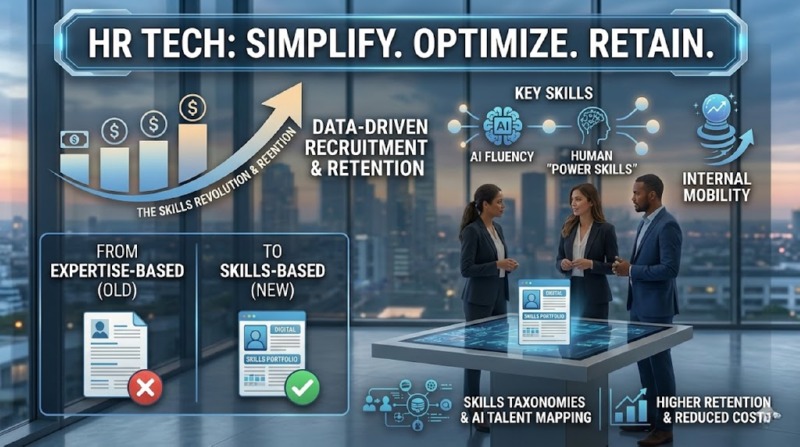
One of the biggest takeaways from LinkedIn’s Skills Report is that skills are changing faster than ever. AI literacy, adaptability, critical thinking, and cross-functional collaboration are replacing static job descriptions. Hiring managers can no longer rely solely on degrees or previous titles as proxies for ability.
This means recruitment strategies must shift from experience-based hiring to skills-based hiring. Leaders who continue to prioritize pedigree over capability risk missing out on high-potential, nontraditional talent.
AI Is a Baseline, Not a Bonus
Generative AI is no longer a niche skill set. From HR to finance to marketing, AI fluency is becoming foundational. Hiring leaders in 2026 must evaluate candidates not just on whether they use AI tools, but how effectively they integrate them into workflows.
Forward-thinking organizations are embedding AI capability assessments into interviews and even redesigning roles to reflect AI collaboration as a core competency.
Soft Skills Are Now Power Skills
While technical skills are evolving quickly, human skills are becoming even more valuable. Communication, resilience, leadership, and adaptability consistently rank among the fastest-growing competencies.
As automation expands, distinctly human capabilities are what differentiate top performers. Structured behavioral interviews, scenario-based assessments, and project simulations are becoming critical tools for evaluating these “power skills.”
Internal Mobility Is a Strategic Advantage
LinkedIn data continues to show that companies prioritizing internal mobility retain talent longer and reduce hiring costs. For hiring leaders, this signals a shift from external recruitment dependency to internal talent marketplaces.
Building skills visibility within the organization through skills taxonomies, AI-powered talent mapping, and career pathing tools is becoming a competitive advantage.
The Hiring Leader’s 2026 Playbook
To stay ahead, hiring leaders should:
- Shift to skills-first job descriptions
- Incorporate AI capability benchmarks
- Invest in continuous learning ecosystems
- Use data-driven workforce planning
- Prioritize internal mobility programs
The message from LinkedIn is clear: hiring in 2026 is not about reacting to vacancies. It’s about proactively identifying emerging skills and aligning talent strategies with business transformation.
Organizations that embrace this skills-based mindset will not just fill roles faster they’ll build agile, future-ready teams prepared for whatever disruption comes next.
HR tech is evolving fast. Are you keeping up? Read more at HR Technology Insights
To participate in our interviews, please write to our HRTech Media Room at [email protected]
댓글목록
no comments.